

Description
By: David Hume (1711-1776)
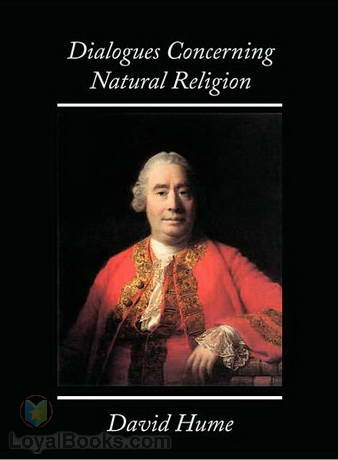
In Dialogues Concerning Natural Religion, David Hume grapples with some of the most fundamental questions in philosophy: the existence and nature of God. Through a series of dialogues between three characters, Hume explores the various arguments for and against the existence of a divine being, ultimately leaving the question open for readers to ponder.
What sets this work apart is Hume’s use of dialogue as a format, allowing for a lively and engaging discussion of complex philosophical ideas. The arguments put forth by each character are well-developed and thought-provoking, making for a stimulating read that challenges readers to critically examine their own beliefs about the existence of God.
However, some readers may find the dense philosophical content and formal language difficult to follow at times. Hume’s nuanced arguments and subtle points require careful attention and reflection to fully grasp, which may be a barrier for those not well-versed in philosophical discourse.
Overall, Dialogues Concerning Natural Religion is a timeless work that continues to be relevant in contemporary debates about religion and the existence of God. Hume’s exploration of these enduring mysteries is sure to spark thought-provoking conversations and inspire readers to delve deeper into the complexities of faith and reason.
Book Description:
In Dialogues Concerning Natural Religion, philosopher David Hume examines whether belief in God can be rational. The work takes the form of a debate between three characters: Cleanthes, who argues that the existence and nature of God can be empirically verified; Demea, who argues that God is completely beyond human knowledge; and Philo, a philosophical skeptic widely thought to represent Hume’s own beliefs.
Much of the debate centers around Cleanthes’ presentation of the analogical argument from design. According to this argument, the complexity and beauty of the universe can only be explained by inferring an intelligent designer, in the same way that one would infer a designer if one came across an intricately complicated machine. Philo presents several objections to this argument, with rejoinders by Cleanthes and occasional interjections by Demea.